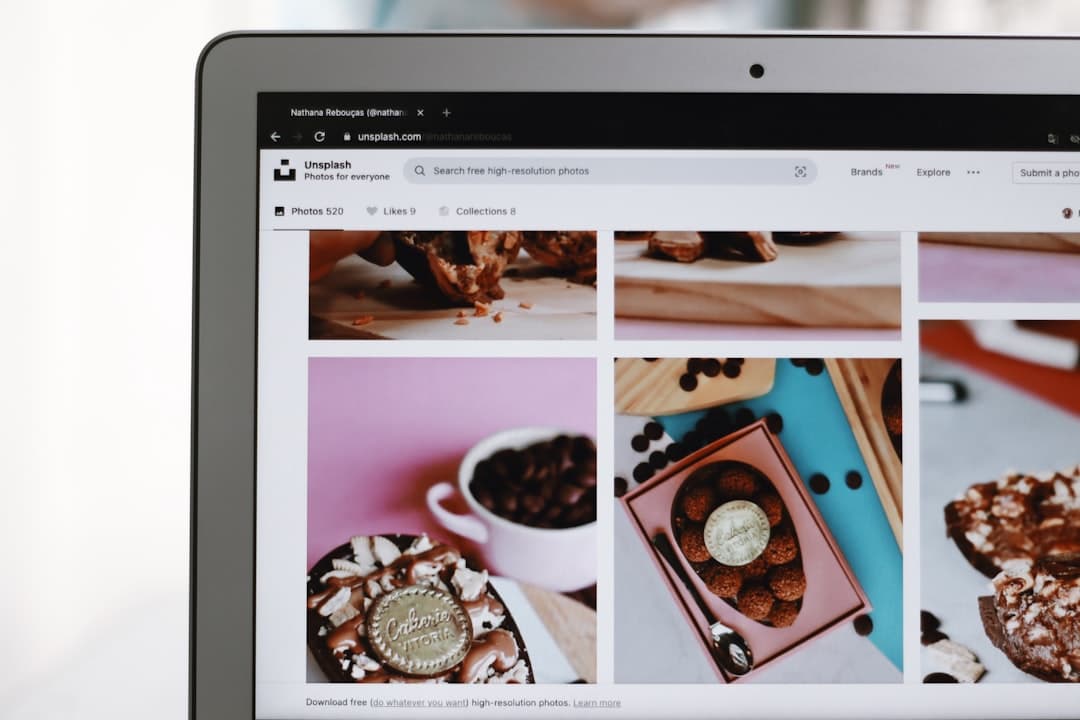
Your sustainable business website is often the first place a potential customer decides whether your environmental values are genuine or just a marketing layer. Getting the colors, layout, and copy right does not just look good — it determines whether visitors trust your brand enough to buy.
- Eco website color palettes built on natural greens, earthy neutrals, and off-whites signal authenticity more effectively than oversaturated “neon green” choices.
- Layout decisions like generous whitespace and clean grid structures reinforce a sense of clarity and environmental responsibility.
- Copy for sustainable brands must be specific and evidence-based — vague claims like “eco-friendly” erode trust faster than silence.
- The Canvas HTML Template and Bootstrap 5 give you a structured, production-ready foundation for building sustainable green business websites without starting from scratch.
Choosing an Eco Website Color Palette That Builds Trust
Color is the fastest signal your brand sends. For sustainable businesses, the goal is not simply “use green” — it is choosing the right greens, pairing them with grounding neutrals, and avoiding combinations that read as artificial or corporate.
In 2026, the strongest eco palettes share a few traits: muted, slightly desaturated primaries, off-white or warm cream backgrounds, and earthy accent tones like terracotta, sand, or slate. Oversaturated lime greens feel synthetic. Deep forest greens feel premium and grounded.
A practical starting palette for a sustainable brand website:
- Primary: Forest Green
#2D6A4F - Secondary: Sage
#74B49B - Background: Warm Off-White
#F5F0E8 - Accent: Terracotta
#C27A5E - Text: Charcoal
#2C2C2C
When implementing these in Canvas, override the theme color variable at the top of your custom CSS file rather than hardcoding colors throughout your stylesheets:
:root {
  --cnvs-themecolor: #2D6A4F;
  --cnvs-themecolor-rgb: 45, 106, 79;
  --cnvs-primary-font: 'Lato', sans-serif;
  --cnvs-secondary-font: 'Playfair Display', serif;
  --cnvs-header-bg: #F5F0E8;
  --cnvs-primary-menu-color: #2C2C2C;
  --cnvs-primary-menu-hover-color: #2D6A4F;
}
This single block controls the majority of the site’s color output through Canvas’s variable system, keeping your overrides clean and maintainable. For font pairing ideas that complement an earthy, natural aesthetic, the best Google font pairings for web design in 2026 covers combinations that work well for sustainability-led brands.

Layout Principles for Green Business Websites
Sustainable design philosophy extends to layout. Cluttered, dense pages feel extractive. Clean, open layouts feel considered and intentional — exactly the attributes a green business wants associated with its brand.
The core principles to apply:
- Generous vertical spacing. Use section padding of at least 80px top and bottom. Canvas’s utility classes like
py-5andsection-paddingdo this reliably. - Left-aligned text blocks. Centered body copy reads as decorative rather than informational. Left-align paragraphs inside your content columns.
- Asymmetric grid layouts for impact sections. A 7/5 column split (rather than a 6/6) creates visual tension that draws the eye toward your key message.
- Photography over illustration where possible. Real product shots, real landscapes, real people doing real things communicate authenticity. Stock-photo “hands holding leaves” imagery signals inauthenticity immediately.
Here is a straightforward Bootstrap 5 two-column section structure that works well for a sustainability impact statement block inside Canvas:
<section class="py-5" style="background-color: #F5F0E8;">
  <div class="container">
    <div class="row align-items-center g-5">
      <div class="col-lg-7">
        <span class="text-uppercase fw-semibold" style="color: #2D6A4F; letter-spacing: .1em; font-size: .85rem;">Our Impact</span>
        <h2 class="mt-2 mb-4" style="color: #2C2C2C;">Every order plants a tree in reforested land</h2>
        <p class="lead mb-4" style="color: #4A4A4A;">Since 2021, we have partnered with certified reforestation programs across three continents. Over 240,000 trees planted. Verified, traceable, and audited annually.</p>
        <a href="/impact-report" class="btn btn-outline-success rounded-pill px-4">Read the 2026 Impact Report</a>
      </div>
      <div class="col-lg-5">
        <img src="images/reforestation.jpg" alt="Team planting trees in reforested land" class="img-fluid rounded-4">
      </div>
    </div>
  </div>
</section>
Hero Section Design for Sustainable Brands
The hero section of a green business website carries the heaviest trust-building burden. Visitors decide within seconds whether the environmental positioning feels credible or performative.
Three elements that separate high-converting sustainable hero sections from generic ones:
- A specific claim, not a category statement. “Carbon-neutral shipping since 2022” outperforms “We care about the planet” every time. Specificity signals accountability.
- A muted, natural-toned background. Avoid full-bleed stock photography of generic forests. A warm off-white or soft sage background with a strong headline often converts better.
- A single, clear CTA. Do not give sustainability-focused visitors two competing calls to action. They respond to clarity and simplicity — brand values that your layout should mirror.
For more on structuring hero sections that hold attention, this guide on designing hero sections that grab attention instantly covers the visual hierarchy principles that apply equally well to eco brand sites.

Writing Copy That Proves Sustainability, Not Just States It
Greenwashing is a real risk, and your visitors are increasingly aware of it. Vague language like “eco-conscious,” “green,” or “sustainable practices” without supporting evidence is now a trust liability rather than an asset. In 2026, regulators in the EU and UK have tightened rules around unsubstantiated environmental claims, making specificity a legal consideration as well as a marketing one.
Copy principles for green business websites:
- Replace adjectives with data. Instead of “we use sustainable packaging,” write “our packaging is 100% home-compostable, certified by TUV Austria.”
- Name your certifications. B Corp, FSC, Fairtrade, 1% for the Planet — name them explicitly and link to the certification body.
- Acknowledge trade-offs. Brands that admit where they are still improving (“our logistics are 80% electric fleet, working toward 100% by 2027”) read as far more credible than those claiming perfection.
- Use active, present-tense language. “We plant” not “trees are planted.” Ownership of action signals genuine commitment.
If you are generating copy drafts with AI tools, prompting for specificity is essential. The guide on writing AI prompts for web design includes techniques for structuring prompts that produce more precise, brand-specific output rather than generic sustainability boilerplate.
Social Proof and Trust Signals for Eco-Focused Audiences
Sustainability audiences are among the most research-oriented consumer segments. They will cross-reference your claims. Your website needs to anticipate this and surface trust signals proactively.
The most effective trust elements for sustainable business websites:
- Third-party certification badges placed near the header or above the fold, not buried in the footer.
- An annual impact report page or downloadable PDF, linked prominently from the navigation.
- Customer reviews that reference sustainability specifically — generic five-star reviews do not move eco-conscious buyers the way targeted testimonials do.
- Press mentions from environmental or specialist publications — a quote from a sustainability trade outlet carries more weight than a mainstream lifestyle feature.
- A transparent supply chain section that names suppliers, countries of origin, and audit status.
Building a Sustainable Website with Canvas and Bootstrap 5
The Canvas Builder tool generates production-ready Bootstrap 5 layouts for the Canvas HTML Template, which makes it a practical choice for sustainable businesses building without a full dev team. Canvas’s variable system means you can apply your entire eco color palette in a single CSS block (as shown above), and the Bootstrap 5 grid handles responsive layout across all device sizes without additional frameworks.
A minimal but complete page shell for a sustainable brand site in Canvas looks like this:
<!DOCTYPE html>
<html lang="en">
<head>
  <meta charset="UTF-8">
  <meta name="viewport" content="width=device-width, initial-scale=1">
  <title>Rooted Supply Co. — Sustainable Goods</title>
  <link rel="stylesheet" href="css/font-icons.css">
  <link rel="stylesheet" href="style.css">
  <style>
    :root {
      --cnvs-themecolor: #2D6A4F;
      --cnvs-themecolor-rgb: 45, 106, 79;
      --cnvs-header-bg: #F5F0E8;
      --cnvs-primary-menu-color: #2C2C2C;
      --cnvs-primary-menu-hover-color: #2D6A4F;
      --cnvs-logo-height: 40px;
      --cnvs-logo-height-sticky: 32px;
    }
  </style>
</head>
<body class="stretched">

  <div id="wrapper">
    <!-- Header, hero, sections, footer rendered here by Canvas -->
  </div>

  <script src="js/plugins.min.js"></script>
  <script src="js/functions.bundle.js"></script>
</body>
</html>
Notice that Bootstrap is not loaded from a CDN separately — Canvas bundles it inside style.css and js/plugins.min.js. Loading Bootstrap again from a CDN would create conflicts and override Canvas’s custom Bootstrap configuration.
Frequently Asked Questions
What colors work best for a sustainable business website?
Muted, desaturated greens (forest green, sage), warm off-whites or creams, and earthy accents like terracotta or sand perform best. Avoid oversaturated neons or bright lime greens, which read as artificial. The key is choosing a palette that feels natural and considered rather than shouting “eco brand.”
How do I avoid greenwashing accusations on my website copy?
Replace vague descriptors with specific, verifiable claims. Name your certifications, audit bodies, and measurable targets. Acknowledge where your business is still improving rather than claiming perfection. Vague language like “eco-conscious” without evidence is increasingly flagged by regulators in the EU and UK as a misleading claim.
Can I use the Canvas HTML Template for a sustainable business website?
Yes. Canvas’s CSS variable system makes it straightforward to apply a custom eco color palette site-wide. You override --cnvs-themecolor and supporting variables in a single CSS block, and the rest of the template inherits those values. Its Bootstrap 5 foundation handles responsive layout cleanly across all devices.
How important is whitespace in sustainable website design?
Whitespace is a direct visual signal of your brand’s values. Open, uncluttered layouts communicate intentionality, care, and confidence. Dense, crowded pages feel the opposite. Use generous vertical padding on sections (at least 80px) and resist the urge to fill every available space with content or imagery.
What trust signals matter most to sustainability-focused website visitors?
Third-party certification badges (B Corp, FSC, Fairtrade, 1% for the Planet), named supply chain partners, annual impact reports, and customer reviews that specifically reference environmental values. Generic five-star ratings do not move eco-conscious buyers the same way targeted, specific social proof does.
If you’re working with the Canvas HTML Template and want to generate production-ready layouts faster, try Canvas Builder free and see how much time you save on every project.
Build it by describing it
Canvas Builder turns a plain-English description into a complete, responsive website in minutes, then hands you the clean Bootstrap 5 HTML to host anywhere.